Midnight
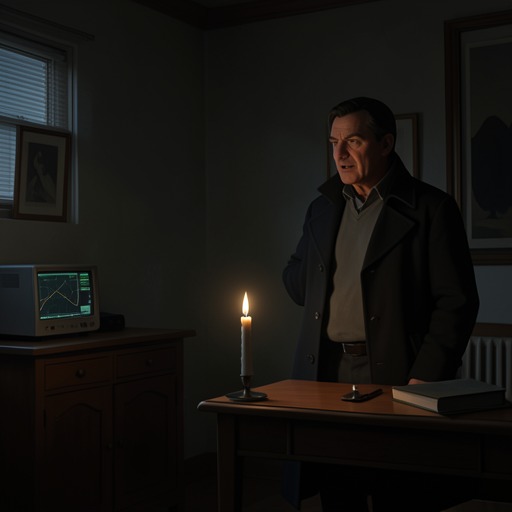
Thus Spoke ZarathustraMidnight is more than a point on the clock in Zarathustra’s songs: it is the hour when private hesitation becomes audible and a gathering is summoned to attend. A heavy bell marks its approach; a counted sequence carries the listener through the night; and a repeated song turns the hour toward eternity. Across the book’s nocturnal scenes, Midnight binds timekeeping to address, music, and the test of whether joy can affirm what returns.
The bell and the thought of departure
In Zarathustra’s dialogue with Life, Midnight is identified by an “old, heavy, heavy booming bell” whose sound reaches his cave at night. Life interprets the hour as a moment when his thoughts turn toward leaving her: as the bell marks time between one and twelve, she knows he is considering departure. The association is not merely a forecast of movement. It makes the passing hour a measure of divided attachment, heard by Life before Zarathustra plainly confirms it. His hesitant “Yes” acknowledges the thought without resolving what he will say next; instead, he speaks into her ear among her tangled hair. The scene therefore leaves the meaning of that intimate reply undisclosed while making the bell’s significance unmistakable: Midnight exposes a tension between remaining with Life and setting out again.
The hour’s approach also links the intimate exchange to a larger pattern of listening. The bell first sounds as a sign perceived within a relationship; later, its sound gathers a company around Zarathustra. Midnight thus moves from something Life knows about his inward intention to something shared and heard by the Higher Men. In both scenes, the bell gives an otherwise invisible passage of time a voice, but its effects differ: it prompts recognition of possible separation in the first, and collective attention in the later nocturnal scene.
Counting the hour and commanding attention
The movement toward Midnight takes poetic form in a measured count. A sequence begins with “One!” and calls, “O Man! Attend!” before proceeding through the numbers toward twelve. The counted hours provide an audible structure for waiting: rather than treating night as empty duration, the song makes its passage into a progression that can be heard and answered. The repeated summons interrupts the count with an address to humanity, so the hour is at once a time to observe and a demand to listen.
That address returns in The Seven Seals (or: The Song of Yes and Amen) and again in the nocturnal song addressed to the Higher Men. Near the later song’s climax, “O Man! Attend!” leads into the question of what deep Midnight’s voice contends. The wording turns the hour into a speaker without spelling out a simple message in advance. Its significance is disclosed through the song that follows: the listener must attend to its repeated movement from sleep and woe toward joy. Midnight’s voice is therefore both a poetic conceit and a formal cue, opening a passage in which the meaning of the night unfolds through refrain rather than explanation.
The gathering beneath the bell
In The Intoxicated Song, the approach of Midnight follows a night outdoors. The Higher Men have left the cave’s interior for the open air, where Zarathustra leads the Ugliest Man by the hand and shows him the moon and the silver waterfalls beside the cave. They stand together in silence, comforted and amazed that life on earth is going well for them. Zarathustra is pleased by their happiness but does not say so, respecting their quiet. The scene makes stillness part of the hour’s preparation: the company is gathered, yet the important change comes not from conversation but from listening.
Zarathustra then appears overcome, stammering and unsteady; the Higher Men hold him as he gradually comes to himself. He hears something, puts a finger to his lips, and calls the others to come. The bell rises slowly from the depths, and the Higher Men listen with him. He repeats the gesture and summons them again, announcing that Midnight is coming on. Even the ass, the eagle, the serpent, the cave, the moon, and the night itself seem to listen. At the third gesture, Zarathustra declares that the hour has come and invites the company to walk into the night. The bell does not simply announce a time: within the scene it changes the company’s posture, gathering separate listeners into shared attention and movement.
The roundelay and eternity
After the summons, the nocturnal address becomes a song about what deep Midnight says. Zarathustra asks the Higher Men whether they have learned his song and invites them to sing the roundelay themselves, named Once more and glossed as To all eternity. This is a significant shift in who carries the words: the company is no longer only listening to Zarathustra but is asked to take up his song. Midnight’s teaching becomes communal through repetition.
The refrain concentrates the song’s contrast between woe, which says to fade and go, and joy, which wants eternity. The insistence on deep, deep, deep eternity gives the hour its strongest meaning: the night is not only a threshold at which departure is considered, but also the setting for an affirmation that wishes the beloved moment to return. The refrain does not erase the earlier uncertainty between Zarathustra and Life; instead, it places that uncertainty beside the song’s demanding desire for recurrence. The scene ends with a change in the night’s atmosphere: on the morning after it, Zarathustra springs from bed, girds himself, and emerges from his cave glowing and strong. Midnight’s song thus stands at the hinge between nocturnal listening and renewed action, carrying its affirmation into the morning.